Futures contracts do not last forever. Their "lifetime" is limited, meaning that they will expire on their expiration date, which is the last day you can trade the contract. When a contract expires, it will be replaced by a new contract.
When a futures contract expires, what will happen to your open trades (if any) on the contract?
There are three options on an expired futures contract:
- Offset the trade
- Settlement
- Rollover (rolling)
Offset the Trade
This is the most common method and also the simplest one. Offsetting (also called liquidating) a trade allows us to collect all profits or realize all losses made from the trades. You don't have to take the physical delivery of the asset (underlying asset) nor deliver the cash.
You must make an opposite trade in order to offset the trade with an equal size of the open trade. Your profits or losses in the trade will be calculated based on your initial and offset position.
For example: assume that you have two shorts on copper that is expiring in February. To offset these trades, you must buy two lots of copper contract that expires on the same day.
Settlement
If you choose not to offset the trade (or roll it — which will be explained below), then the contract will be expired and your trade will be settled. It means you will have to deliver the physical asset (underlying asset) if you have a short position on the contract.
However, not all contracts should be settled by physical asset delivery. Some contracts only require cash settlement based on the terms of the contract.
Rollover (Rolling)
As you can see, futures contracts will roll periodically because they have an expiration date as explained earlier. What can you do if you want to keep your open trades on a futures contract when it's expiring?
There is a mechanism that allows you to "keep" your open trades on an expiring futures contract called rollover or rolling. There will be adjustments on your open trades because the new contract will have a different price from the previous one.
| Commodity | Symbol | Contract | Contract Starts | Contract Ends |
|---|---|---|---|---|
| Gold | GC | G17 | November 30, 2016 | January 31, 2017 |
| Gold | GC | J17 | January 31, 2017 | March 31, 2017 |
| Gold | GC | M17 | March 31, 2017 | May 31, 2017 |
| Gold | GC | Q17 | May 31, 2017 | July 31, 2017 |
| Gold | GC | Z17 | July 31, 2017 | November 30, 2017 |
| Silver | SI | H17 | November 30, 2016 | February 28, 2017 |
| Silver | SI | K17 | February 28, 2017 | April 30, 2017 |
| Silver | SI | N17 | April 30, 2017 | June 30, 2017 |
| Silver | SI | U17 | June 30, 2017 | August 31, 2017 |
| Silver | SI | Z17 | August 31, 2017 | November 30, 2017 |
| Copper | HG | H17 | November 30, 2016 | February 28, 2017 |
| Copper | HG | K17 | February 28, 2017 | April 30, 2017 |
| Copper | HG | N17 | April 30, 2017 | June 30, 2017 |
| Copper | HG | U17 | June 30, 2017 | August 31, 2017 |
| Copper | HG | Z17 | August 31, 2017 | November 30, 2017 |
| Palladium | PA | H17 | November 30, 2016 | February 28, 2017 |
| Palladium | PA | M17 | February 28, 2017 | May 31, 2017 |
| Palladium | PA | U17 | May 31, 2017 | August 31, 2017 |
| Palladium | PA | Z17 | August 31, 2017 | November 30, 2017 |
| Crude Oil (WTI) | CL | F17 | November 19, 2016 | December 18, 2016 |
| Crude Oil (WTI) | CL | G17 | December 19, 2016 | January 18, 2017 |
| Crude Oil (WTI) | CL | H17 | January 19, 2017 | February 18, 2017 |
| Crude Oil (WTI) | CL | J17 | February 19, 2017 | March 18, 2017 |
| Crude Oil (WTI) | CL | K17 | March 19, 2017 | April 18, 2017 |
| Crude Oil (WTI) | CL | M17 | April 19, 2017 | May 18, 2017 |
| Crude Oil (WTI) | CL | N17 | May 19, 2017 | June 18, 2017 |
| Crude Oil (WTI) | CL | Q17 | June 19, 2017 | July 18, 2017 |
| Crude Oil (WTI) | CL | V17 | July 19, 2017 | September 18, 2017 |
| Crude Oil (WTI) | CL | X17 | September 19, 2017 | October 18, 2017 |
| Crude Oil (WTI) | CL | Z17 | October 19, 2017 | November 18, 2017 |
| Gasoline | RB | F17 | November 20, 2016 | December 30, 2016 |
| Gasoline | RB | G17 | December 30, 2016 | January 30, 2017 |
| Gasoline | RB | H17 | January 30, 2017 | February 28, 2017 |
| Gasoline | RB | J17 | February 28, 2017 | March 30, 2017 |
| Gasoline | RB | K17 | March 30, 2017 | April 26, 2017 |
| Gasoline | RB | M17 | April 27, 2017 | May 30, 2017 |
| Gasoline | RB | N17 | May 30, 2017 | June 30, 2017 |
| Gasoline | RB | Q17 | June 30, 2017 | July 30, 2017 |
| Gasoline | RB | U17 | July 30, 2017 | August 30, 2017 |
| Gasoline | RB | V17 | August 30, 2017 | September 30, 2017 |
| Gasoline | RB | X17 | September 30, 2017 | October 30, 2017 |
| Gasoline | RB | Z17 | October 30, 2017 | November 30, 2017 |
| Natural Gas | NG | F16 | November 27, 2016 | December 27, 2016 |
| Natural Gas | NG | G17 | December 27, 2016 | January 27, 2017 |
| Natural Gas | NG | H17 | January 27, 2017 | February 27, 2017 |
| Natural Gas | NG | J17 | February 27, 2017 | March 27, 2017 |
| Natural Gas | NG | K17 | March 27, 2017 | April 27, 2017 |
| Natural Gas | NG | M17 | April 27, 2017 | May 27, 2017 |
| Natural Gas | NG | N17 | May 27, 2017 | June 27, 2017 |
| Natural Gas | NG | Q17 | June 27, 2017 | July 27, 2017 |
| Natural Gas | NG | U17 | July 27, 2017 | August 27, 2017 |
| Natural Gas | NG | V17 | August 27, 2017 | September 27, 2017 |
| Natural Gas | NG | X17 | September 27, 2017 | October 27, 2017 |
| Natural Gas | NG | Z17 | October 27, 2017 | November 27, 2017 |
| Wheat | ZW | H17 | November 16, 2016 | February 16, 2017 |
| Wheat | ZW | K17 | February 16, 2017 | April 16, 2017 |
| Wheat | ZW | N17 | April 16, 2017 | June 16, 2017 |
| Wheat | ZW | U17 | June 16, 2017 | August 16, 2017 |
| Wheat | ZW | Z17 | August 16, 2017 | November 16, 2017 |
| Corn | ZC | H17 | November 16, 2016 | February 16, 2017 |
| Corn | ZC | K17 | February 16, 2017 | April 16, 2017 |
| Corn | ZC | N17 | April 16, 2017 | June 16, 2017 |
| Corn | ZC | U17 | June 16, 2017 | August 16, 2017 |
| Corn | ZC | Z17 | August 16, 2017 | November 16, 2017 |
| Soybeans | ZS | F17 | October 16, 2016 | December 16, 2016 |
| Soybeans | ZS | H17 | December 16, 2016 | February 16, 2017 |
| Soybeans | ZS | K17 | February 16, 2017 | April 16, 2017 |
| Soybeans | ZS | N17 | April 16, 2017 | June 16, 2017 |
| Soybeans | ZS | Q17 | June 16, 2017 | July 16, 2017 |
| Soybeans | ZS | U17 | July 16, 2017 | August 16, 2017 |
| Soybeans | ZS | X17 | August 16, 2017 | October 16, 2017 |
| T. Note | ZN | H17 | November 30, 2016 | February 28, 2017 |
| T. Note | ZN | M17 | February 28, 2017 | May 31, 2017 |
| T. Note | ZN | U17 | May 31, 2017 | August 31, 2017 |
| T. Note | ZN | Z17 | August 31, 2017 | November 30, 2017 |
| T. Bond | ZB | H17 | November 30, 2016 | February 28, 2017 |
| T. Bond | ZB | M17 | February 28, 2017 | May 31, 2017 |
| T. Bond | ZB | U17 | May 31, 2017 | August 31, 2017 |
| T. Bond | ZB | Z17 | August 31, 2017 | November 30, 2017 |
| Dow Jones | YM | H17 | December 9, 2016 | March 9, 2017 |
| Dow Jones | YM | M17 | March 9, 2017 | June 9, 2017 |
| Dow Jones | YM | U17 | June 9, 2017 | September 9, 2017 |
| Dow Jones | YM | Z17 | September 9, 2017 | December 9, 2017 |
| S&P 500 | ES | H17 | December 9, 2016 | March 9, 2017 |
| S&P 500 | ES | M17 | March 9, 2017 | June 9, 2017 |
| S&P 500 | ES | U17 | June 9, 2017 | September 9, 2017 |
| S&P 500 | ES | Z17 | September 9, 2017 | December 9, 2017 |
| Nasdaq | NQ | H17 | December 9, 2016 | March 9, 2017 |
| Nasdaq | NQ | M17 | March 9, 2017 | June 9, 2017 |
| Nasdaq | NQ | U17 | June 9, 2017 | September 9, 2017 |
| Nasdaq | NQ | Z17 | September 9, 2017 | December 9, 2017 |
| Nikkei | NY | H17 | December 9, 2016 | March 9, 2017 |
| Nikkei | NY | M17 | March 9, 2017 | June 9, 2017 |
| Nikkei | NY | U17 | June 9, 2017 | September 9, 2017 |
| Nikkei | NY | Z17 | September 9, 2017 | December 9, 2017 |
Rollover — or rolling — means that you choose not to offset your trade nor send your trade to settlement. Instead, you choose to keep your trade from the previous contract to the next contract month.
How BacktestMarket Rolls Futures
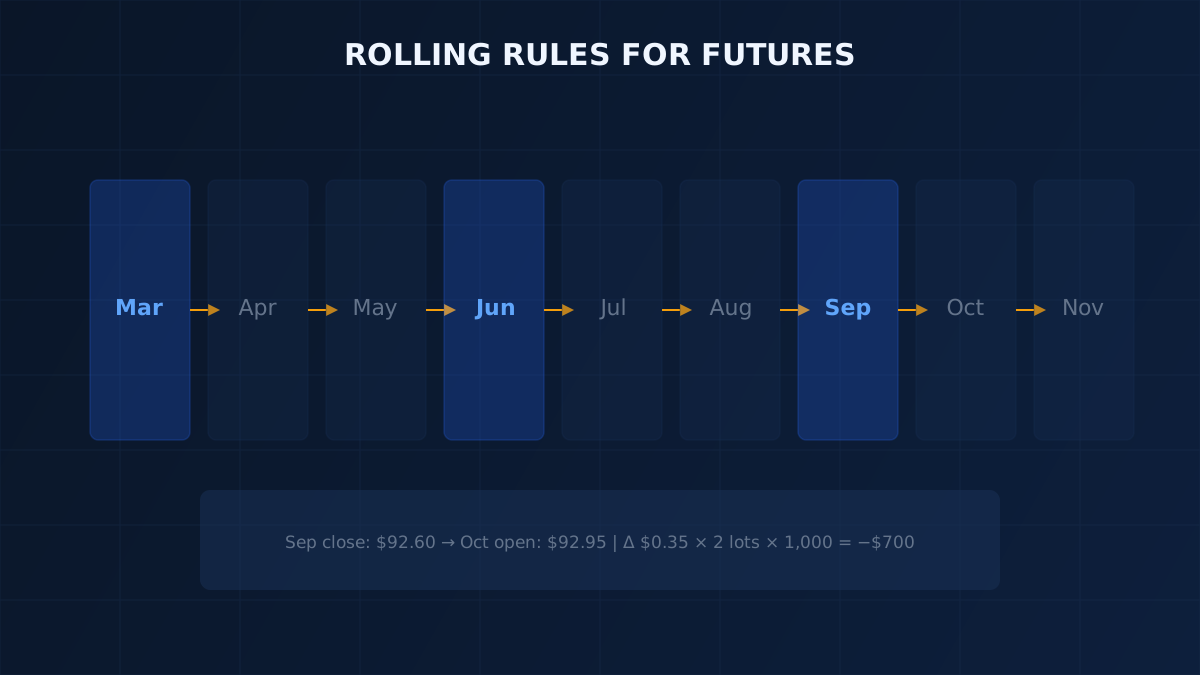
Assume that you have bought 2 lots of WTI that expires in September at the price $92.20. Let's say that the old contract is closed at $92.60 and the new contract opens at $92.95. What will happen to your trade?
Your trade will be adjusted with -$700 on your balance. The number came from this calculation: ($92.60 - $92.95) × 2 Lot × 1,000, where 1,000 is the contract size of WTI. Your equity will not be affected at all because your open trade profits will increase by $700.
What actually happens is the system simultaneously closes your trades and at the same time opens new trades in the next contract month. In this case, your two lots of WTI (long) in the September contract — that is expiring — are closed and replaced by two lots of WTI in the December contract.
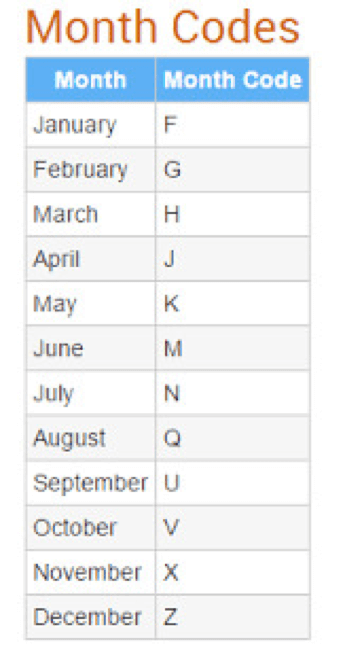
Here are the month codes and samples of futures contract rollovers: